Subscribe now to get notified about IU Jharkhand journal updates!

"Mental Health is a Universal Human Right," and it has been recognized, accepted, and celebrated across the world. Today, mental wellness isviewed and cared for as the positive attribute of overall wellbeing of people in any developed society. However, even at present, any open talk or discussion about mental health is widely misunderstood and stigmatized in many societies. As a result, many people are not open talking about mental health issues although they suffer from them. Hence, there is necessity for proactive awareness campaigns and mental health advocacy to challenge these existing stereotypes. Therefore, this paper aims at promoting mental health awareness among people in reducing stigma attached to openly talking about it. It also examines the reasons causing mental health issues and offers possible solutions. For this purpose, survey questionnaire was administered to 40 participants who are mostly in the age group of 18-25. Literature view was gathered from past research and various online sources. Additionally, personal interviews with people of different age groups and professions were conducted. Data was analyzed and presented quantitatively and qualitatively. The findings show that increased awareness leads to greater acceptance and accessibility of mental health resources. Finally, the real-world activities which advocate the need for openness, empathetic attitudes of people and support systems were presented.
Mental health, stigma, health and wellness, health and society, mental health disorders
Introduction
In modem world, mental health is given priority m all walks of human life as it greatly influences how individuals perceive and navigate the through the world. However, many people tend to avoid talking openly about mental health issues because it is not given due importance in our society. Over time, misunderstandings, fear, and judgment have collectively contributed to an atmosphere where those facing mental health challenges often experience isolation and a stifling silence. There is a rise in the mental health issues over the last few years due to many changes in life style, climatic changes, and the rapid advancements and use of technology in all walks of life. Hence, to help people understand and become aware, National Mental Health Programme has listed out some signs of mental illness in adults as - difficulty in handling day to day activities; feeling worried, anxious or stressed; changes in sleeping and eating habits; changes in feeling and uncontrolled emotions; addiction to tobacco and alcohol; and having suicidal thoughts [1].
Mental health issues and the stigma associated with it are not related to one section of people or one community or one country, but universal phenomena. These global issues underscore the pressing need for examination coupled with a concerted efforts to enhance awareness. Therefore, the aim of the study is promoting mental health awareness among people and reducing stigma attached to openly talking about it. The objectives of the study are to - examine the stigma surrounding mental health issues; raise awareness to promote understanding and empathy; explore the primary reason contributing to mental health stigma; and understand how stigma impacts individuals' decisions in seeking help for mental health issues.
This paper endeavors to examme the reasons and implications of mental health stigma emphasizing the critical role of the heightened awareness in building a supportive and empathetic society. It is also inclined towards analyzing the subjective opinions of people on mental health issues and the associated stigma, thereby aspiring to catalyze a transformative shift in the societal attitudes towards mental health.
2. Literature Review
According to the World Health Organization, mental health refers to, "a state of well-being in which every individual realizes his or her own potential, can cope with the normal stresses of life, can work productively and fruitfully, and is able to make a contribution to her or his own community" [2]. Mental health literacy and is "the knowledge and beliefs about mental disorders that aid in their recognition, management, and prevention" [3]. Research emphasizes the need for understanding the negative beliefs, stigma and fear surrounding mental health and how this can lead to unhelpful ways of coping with the stressors associated with adaptation and acculturation challenges [4].
The relationship between stigmatization and the self-regard of individuals with mental disorders. The study aims to identify conditions under which individuals are resistant to stigmatization [5]. A study discusses the paradoxical situation related to mental health issues and stigma [6]. Stigma and discrimination associated with mental illnesses are often considered to have more detrimental consequences than the conditions themselves [7]. This narrative review aims to provide a comprehensive summary of global knowledge derived from published systematic reviews and primary data concerning interventions designed to mitigate mental-illness-related stigma or discrimination.
In today's world where use of technology poses a multifaceted challenge causing mental health disorders, it is evident that the dynamic mental health advocacy is undergoing a transformative shift with the integration of technology [8]. Mobile technology has significantly improved access to mental health resources through smartphone apps offering mood tracking, virtual therapy, and self-management tools. These innovations help bridge gaps in traditional care models. Additionally, VR and AR technologies provide immersive experiences that simulate mental health scenarios, enhancing engagement and therapeutic outcomes [9].
Given the significant challenges posed by mental health stigma and discrimination, the review underscores the necessity for concerted efforts to fund methodologically robust research. This would provide substantial and reliable evidence to inform decisions regarding investments in interventions aimed at reducing stigma associated with mental illnesses.
3. Methodology
3.1 Participants
The number of people participated in the study were 40 (26 males and 14 females) of which 87% of them belonged to the age group of 18-25 years, and the rest 13% of them belonged to the age group of 26-45 years. The participants belong to different states of India. 72.5% of the respondents possess a high school degree, 22.5% of them have a bachelor's degree and the rest of them are postgraduates and working professionals.
3.2 Tools
A structured survey questionnaire was designed and administered to all 40 participants. The questionnaire included questions to collect quantitative data on participants' attitudes, perceptions, and knowledge of mental health issues and social stigma attached to openly talking about them. Questionnaire consisted of few open-ended questions to gather participants' personal experiences and perspectives on mental health issues. Additionally, formal face-to-face and online interviews were conducted for obtaining participants' views and opinions on mental health issues. To understand mental health issues and stigma better, review of past research was also undertaken.
3.3 Methods
Employing a mixed-methods approach, this research integrates both quantitative and qualitative methods of data analysis to ensure a comprehensive exploration of mental health awareness and stigma. Thematic analysis and a thick description were used to present interviews while quantitative data was presented in the form of graphs and figures.
3.4 Data Analysis
Survey was conducted across vanous age groups of participants by administering a questionnaire. The responses to some of pertinent questions are presented and described.
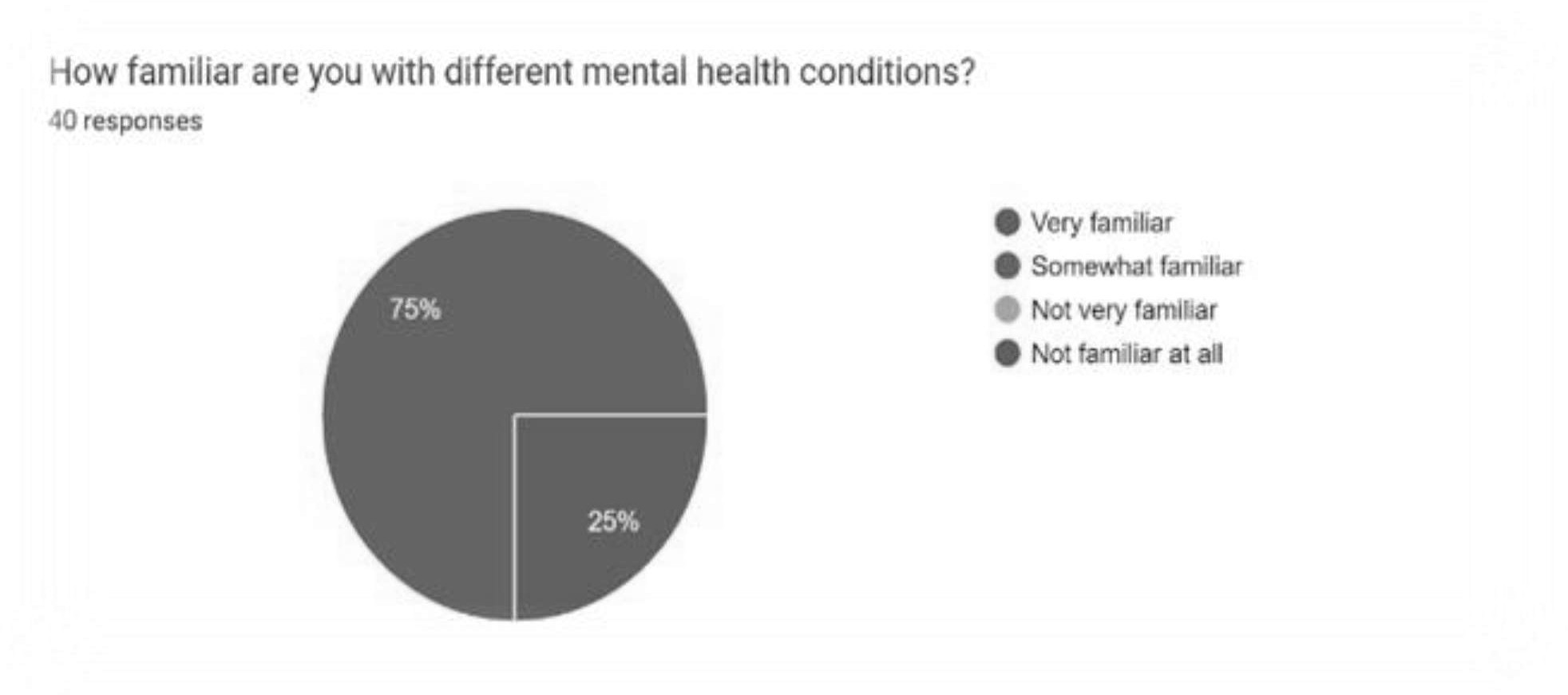
Fig. 1 owledge of mental health conditions in general.
Figure 1 above shows responses to the question, How familiar are you with different mental health conditions? It shows 75% of the respondents are 'somewhat familiar,' and 25% of them are 'very familiar' with various mental health conditions.
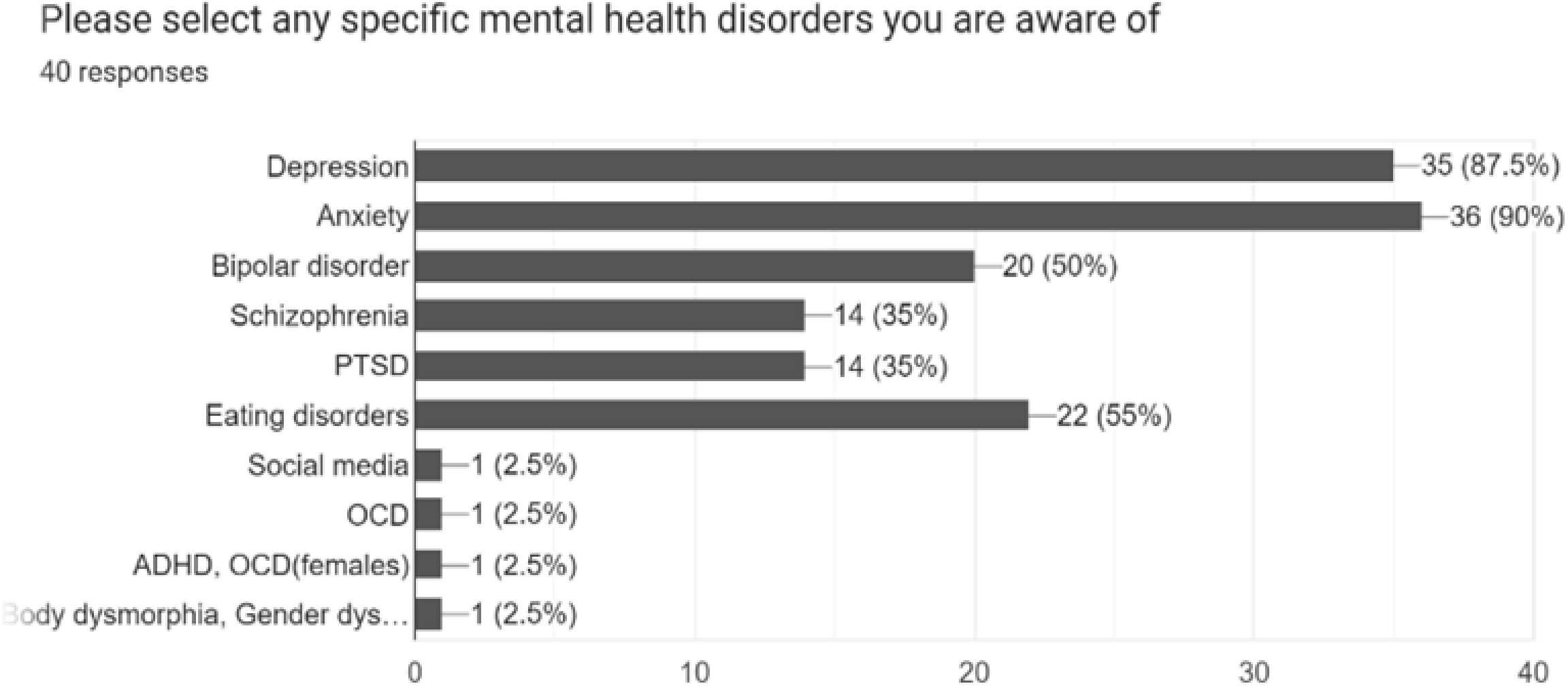
Fig. 2.Awareness of most common mental disorders.
Figure 2 above presents participants' awareness of most common mental disorders. To the statement, Please select specific mental health disorders you are aware of the figure above shows that - 87.5% of the respondents are aware of Depression as the most common health issue; Most of the respondents, 90% (Highest), are aware of Anxiety as the most common health disorder; As many as 50% of the respondents seem to be aware of Bipolar disorder; 35% of them seem to be aware of Schizophrenia; 35% of them seem to be aware of Post Traumatic Stress Disorder (PTSD); 55% of them seem to be aware of eating disorders.
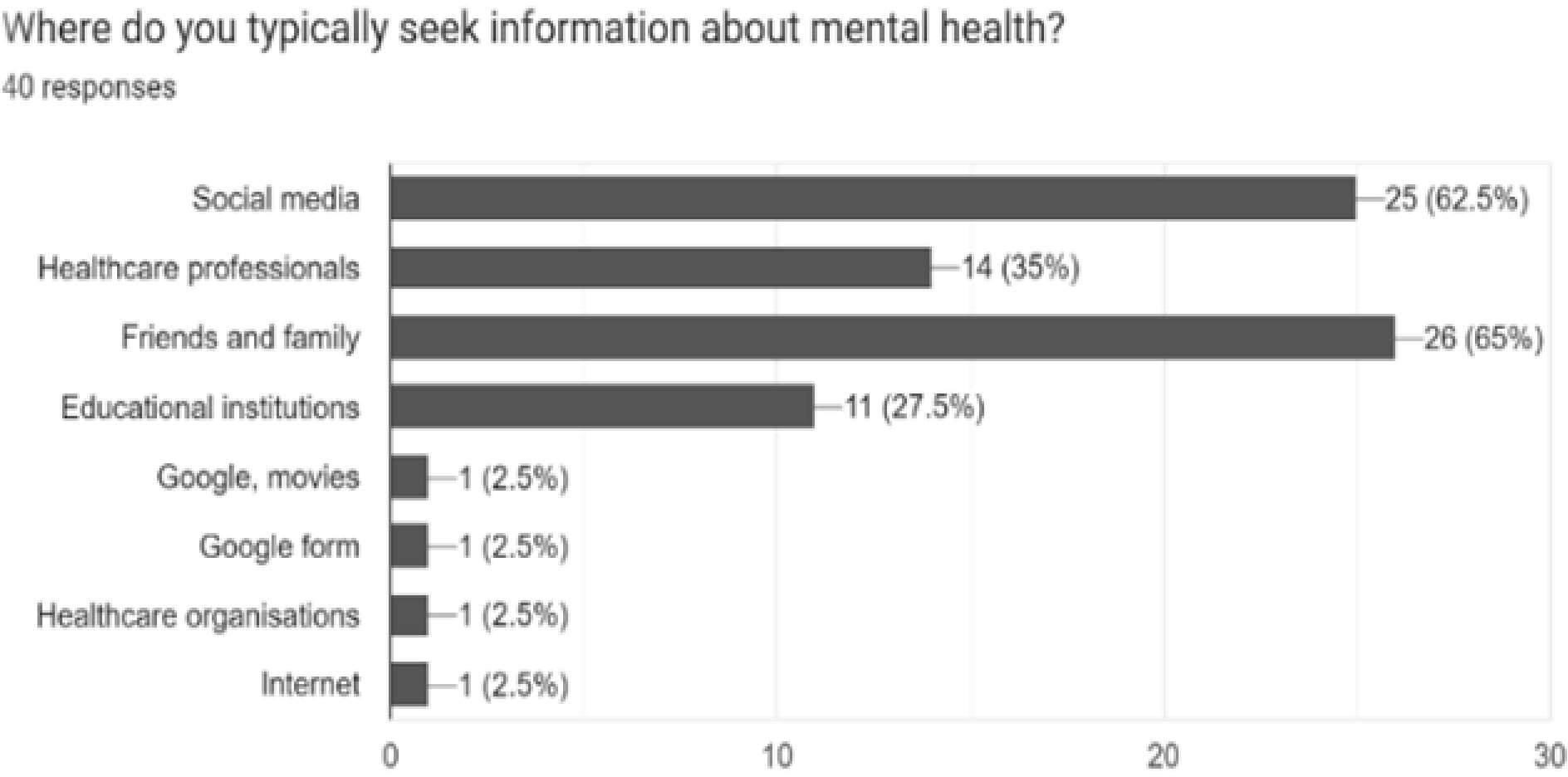
Fig. 3. Seeking information about mental health.
Figure 3 above presents various sources of seeking information from about the mental disorders. It indicates that the majority (65%) seek information from the primary sources such as 'friends and family.' Next, 62% of the respondents prefer seeking information from the social media. Few other sources such as educational institutions (27%), healthcare professionals (35%) and organizations are also the significant sources of information. Internet and movies are also means of spreading awareness.
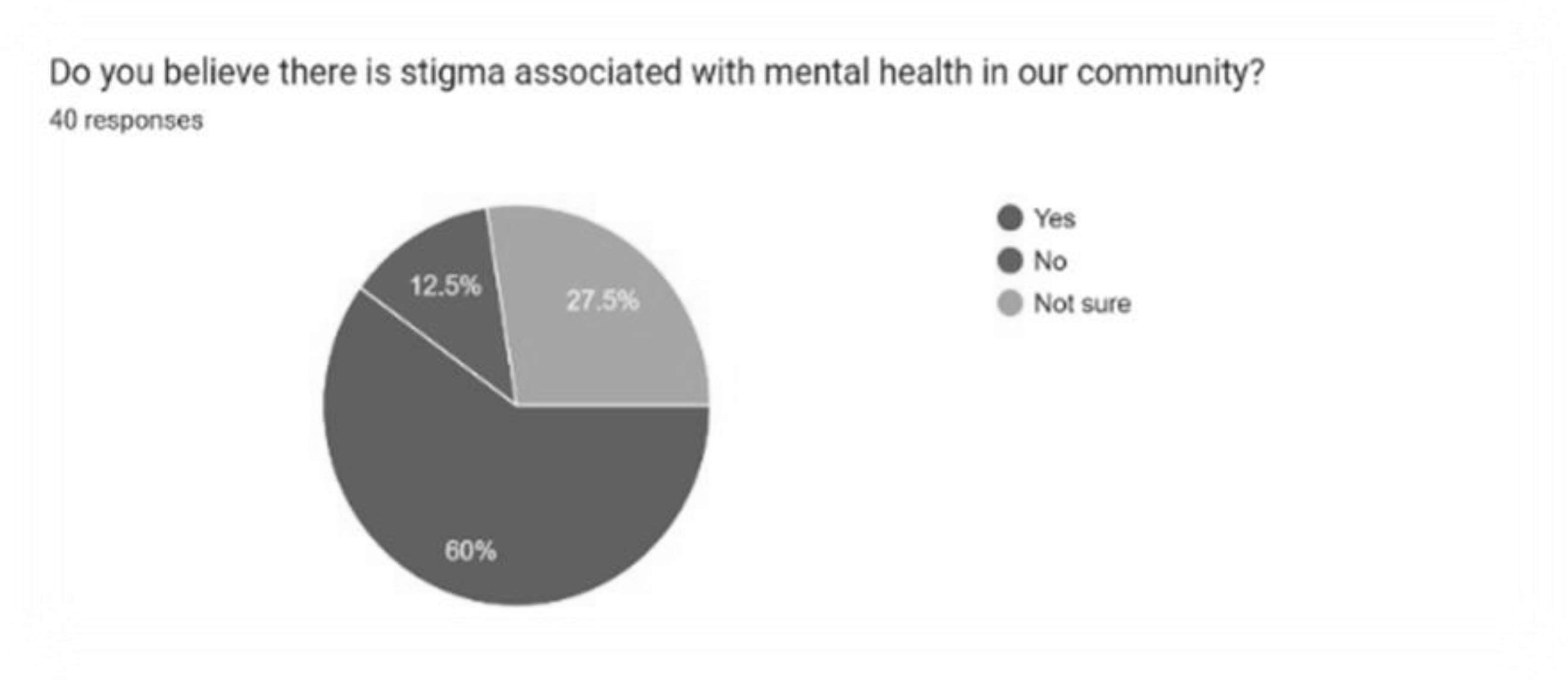
Fig. 4. Belief about stigma associated with mental health.
From the figure 4 above we can see that majority of the respondents, 60% of them, seem to believe that there is stigma present in the society. The next majority of them are not sure if the stigma associated with mental health issues.
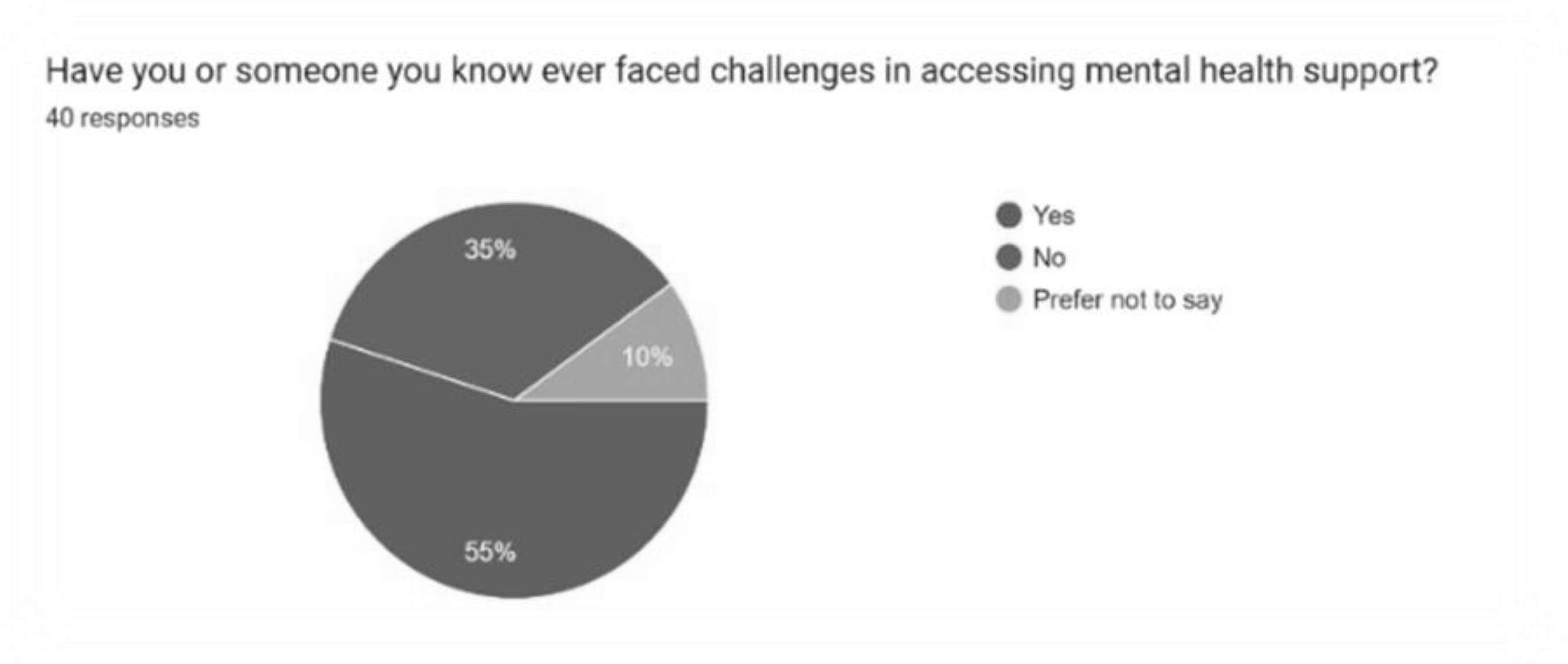
Fig. 5. Challenges in accessing mental health support.
From the figure 5 above, we can see that majority (55% of them) have suffered or seen someone suffering from lack of or inaccessibility to mental health support.
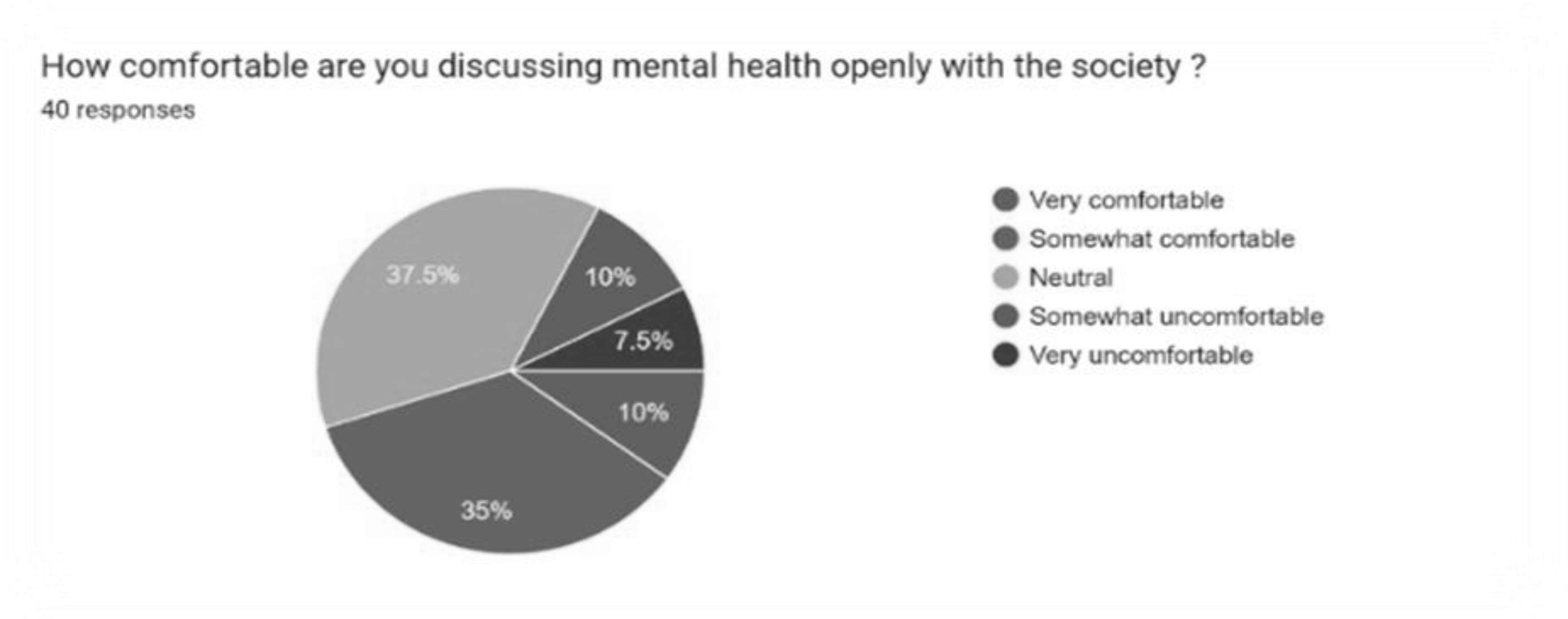
Fig. 6. Discussing mental health issues openly.
From the figure 6 above we can see that only 10% of the respondents are 'very comfortable,' and only 35% of the respondents feel 'somewhat comfortable' in discussing about their mental health issues. The rest of the respondents are either have a neutral stand or are uncomfortable in talking openly about their mental health issues.
This section presents the selected and short responses of the respondents (Rl, R2, R3, R4) in terms of thoughts and personal experiences to some open-ended questions of the survey.
Ql. Have you ever witnessed or experienced stigma related to mental health? If so, please describe the situation in brief.
RI- I have witnessed people blaming those with mental health problems for their behaviour. Due to lack of support from family and society, people with mental health problems are afraid to seek help or right treatment. R2 - People are quite supportive to people with mental health issues. In the modern days, people are becoming aware of mental health conditions and take such things seriously. R3 - Our society is unsupportive and criticising matters related to mental health. I am a victim myself of stigmatisation (for severe medical anxiety condition) but failed to receive any medical help due to lack of awareness of my own family towards mental health. R4 - I know people suffering with severe illnesses such as anorexia hesitate or fail to seek medical help just because of the stigma and unsupportive nature of the society.
Q2. Why do you personally think creating awareness about mental health is important?
RI - To prevent the increasing rate of suicides. R2 - In the current scenario, all of us have varying levels of stress and experience certain mental trauma either at our institutions or workplace. It is necessary that all of us are comfortable in opening up and bringing our own self to the place where we study or work. R3 - Mental health are wounds which are not visible to the naked eye and sometimes are more painful than physical wounds. It is important to understand the importance and awareness to have a healthy mind which would in turn create a healthier society for everyone to live in.
Q3. In what ways do you think individuals can contribute to promoting mental health awareness in the society?
Rl - Being more positive, inclusive and supportive. R2 - Organizing events, campaigns and programs that increase awareness. R3 - The best cure is prevention. People should prevent bullying others and trying to aggravate their insecurities. All of us being part of one society should stand in support of each other and try to understand other's feelings and perspectives. R4 - Conducting free counselling and therapy sessions, might help people to open up about their issues.
Q4. According to you, what are the ways to deal with mental health issues?
RI - Sharing traumas might work for one but not for everyone, some prefer to isolate themselves and their feelings and spend more time working on themselves thereby enhancing their skills and diverting their focus. R2 - Taking one thing at a time. Living in the moment and not stressing about past or future. R3 -Journaling and talking to a professional might help.
4. Description of Personal Interviews
This section thickly describes the interview responses on the questions related to mental health issues and stigma. The questions and responses of each of the three selected interviewees are combined and presented individually. Names of these interviewees are treated confidential, and the long responses are edited and presented briefly. We have selected present one person from the industry, and two persons from academia.
4.1 Interviewee 1: an Employee of a Private Software Company, Delhi
Q. How would you address and reduce the in the workplace? Mention an example of a situation where you successfully challenged or changed attitudes. How employees and managers are educated? Talk about two major changes that has taken place over the decade in the workplace.
Talking transparently and by creating a strategy to develop mental health champions from amongst employees served as a morale booster. As a member of the HR team strongly advocated for a counselling support for the newly joined employees. After continued efforts, we established a tie up with the NIMHANS mental health institute and engaged psychiatrists to have regular counselling sessions for these new employees who are in need of help. This sustained efforts in extending employee assistance yielded great results in removing the workplace stigma.
To ensure broad awareness, mental health discussions are integrated into our new employee on boarding process, and we provide periodic refresher courses, useful information and workshops. Managers undergo specialized training to adeptly identify and address mental health concerns within their teams. We actively promote a culture of empathy and understanding, emphasizing that mental health is a top priority, and seeking assistance is a testament to one's strength. Regular assessments of the effectiveness of our mental health initiatives are conducted through employee feedback surveys, and adjustments are made based on the evolving needs of our worliforce.
Firstly, there is now more focus on mental health. Companies are talking openly about it, offering support, and making sure employees have resources to take care of their mental well-being. HR teams are leading the charge by organizing programs, spreading awareness, and training managers on how to help their teams emotionally. Secondly, remote work has become more popular. This change gives employees more flexibility and a better balance between work and personal life. We as a HR team are making sure that employees have what they need for remote work, organizing virtual team activities, and adjusting how peiformance is measured.
4.2 Interviewee 2 - a BSc Psychology Student, Queen Mary University, London
Q. Can you talk about your understanding, and the role of education in raising awareness about mental health issues?
I think when talking about stigma in mental health one issue or perspective that should be changed is that people deny or repress the fact that they might have any issue even to their close ones like their friends and family in a fear that they might judge. Thus, I feel that there is lack of acceptance in the society and it mainly begins from within us. In terms of reducing the stigma as well if we don't speak about it scientifically then how can we expect people to understand and accept it as it is such a sensitive subject which requires a certain support from all the individuals present in the society. I learnt how to manage stress in a better way than pondering over it and overthinking it rather using stress managing strategies like practising mindfulness and meditation or trying self-introspection method to manage stressful situations. I see Psychology as a very poweiful force in near future as the growing issues of mental illness and well-being of people is raising concerns in the eyes of doctors and scientists.
4.3 Interviewee 3 - a Faculty, Psychology Honours, SGT University
Q. Please talk about your understanding of mental health stigma and the role of education in raising awareness. How has studying psychology influenced your own attitudes and perceptions about mental health?
For some reason "mental health" is often associated with "mental" as in mentally retarded by our society. Even the act of talking about mental health is generally frowned upon. Education provides a more objective perspective to the observer, probably even unbiased of cultural norms due to their extensive knowledge. But at the end, education too is a choice. Studying psychology has actually helped me understand myself in a much better and more real sense. Personally, earlier I used to think that "showing your emotions makes you weak" but now, I'm well aware of the fact that "accepting what you are experiencing and not resisting it" is only for the brave.
5. Discussion
From the data analysis we can say that in the modem society, students affected by major mental health issues due to stress or other external factors. It indicates students are vulnerable as they go through the most sensitive phase of personal life, besides academics. Students in these age groups 18-25 are susceptible to more mental health related problems such as depression, anxiety, stress, and loneliness. We can say that pressure from the society, family, and peers are considered to be major reasons for these mental problems. Previous research shows that depression and anxiety to be ranked the highest among students as these two are the common words one can hear in school or college life. It is due to excessive academic stress and also due to not able to balance academics and personal life.
When majority (65%) like to seek help and support from family and friends, it implies that people prefer to open up their issues related to mental health first to family members, 'it all starts at home.' Next, with the availability and use of technology, 62% of the respondents prefer seeking information from the social media. It suggests that people spend more time online or on social platforms going through various mental health quotes and posts. The fact that 55% of the respondents have suffered or seen someone suffering from lack of or inaccessibility to mental health support, one of the reasons could be that people are afraid to openly talk about or share their issues due to the prevailing stigma - 'What might one think? It informs that stigma attached to mental health issues is still predominant in the society. This is evident when only 10% of the respondents are 'very comfortable,' and only 35% of the respondents feel 'somewhat comfortable' in openly talking about their mental health issues.
One of the respondents said "social media" is the main cause for mental health issues.
6. Support and Ways of Mental Health Awareness
It is encouraging to know about some of the initiatives in support of awareness of mental health such as - local government policies; awareness through movies; experiences of intellectuals and persons from industry and films; support programmes or campaigns in countries across the world. These activities are executed by involving celebrities, politicians, religious leaders, media outlets, and policy makers to share mental health issues in order to foster open conversations. The modern emerging AI tools and gadgets are also proving to assist people with mental health issues. Through these initiatives and activities make it possible to collaborate for advocating mental health rights and services of people across nations.
National Mental Health Programme advises several ways to promote mental health. Be positive. Have a good work-life balance. Practice yoga and meditation. Stay away from tobacco, alcohol and additive substances. Sleep well. Talk about your feelings. Keep active and engage in recreational activities [10].
The Bollywood film, TaareZameen Par, can be associated with promoting awareness about mental health, specifically regarding learning disabilities in children. This movie sensitively explores emotional and psychological struggles, contributing to the destigmatization of learning disabilities. Another movie which can be talked about in support of mental health context is Inside Out, a Pixar animated film. It is a powerful advocate for mental health awareness by creatively exploring the intricacies of emotions. Through the personification of Joy, Sadness, Anger, Fear, and Disgust, the movie promotes emotional intelligence, normalizes the acceptance of sadness, and illustrates the impact oflife changes on mental well-being.
A big support in dealing with mental health issues comes from the people from industry when they openly shared their experiences, for example, Tim Cook (Apple's CEO) has opened up his experience dealing with anxiety and stress. We also have Thasunda Brown Duckett, CEO of TIAA, as an example who has shared her journey overcoming depression and grief through therapy, faith, and family. Another example, Brian Chesley, co-founder and CEO of Airbnb who has openly acknowledged his struggles with loneliness and isolation. Another encouraging example is Arianna Huffington, founder and CEO of Thrive Global, who has disclosed her battle with burnout and exhaustion.
Film actors, with their strong and pleasing personalities, are known for influencing and positively impacting people and followers. There are a number of actors who motivated people by boldly sharing their personal experiences of mental health issues. First,Selena Gomez, a renowned singer and actress, has candidly discussed her battles with anxiety, depression, and bipolar disorder, detailing their impact on both her career and personal life. Second, former One Direction member Zayn Malik has shared his struggles with anxiety, panic attacks, and eating disorders, discussing how these challenges have affected his performance and self-esteem. Next, Jade Thirlwall, a star from Little Mix, has opened up about her teenage battle with depression and anorexia, including a suicide attempt at the age of 13. Finally, Actor and former wrestler Dwayne Johnson has publicly shared his experiences with depression and suicidal thoughts, tracing them back to childhood trauma, career setbacks, and personal losses.
Intellectuals, through their open thinking and personal and powerful writings, awaken and uplift people from their social stigmas and conservative thinking. First, renowned psychologist and author Kay Redfield Jamison has extensively written about her personal journey with bipolar disorder, delving into its impact on both her personal and professional life [11]. Second, the late mathematician and Nobel laureate John Nashshared his experience living with schizophrenia and his eventual recovery from delusions and hallucinations [12]. Next, Temple Grandin, an accomplished animal scientist and autism advocate, has disclosed her personal experience with autism [13]. Finally, Journalist and author Malcolm Gladwell has openly discussed his experience with dyslexia, emphasizing its impact on his perspective and writing style [14].
There are several countries which support and care for the cause of peoples' mental health. England's Time to Change campaign is a social movement seeking to transform attitudes and behaviours surrounding mental health issues [15]. Canada's Opening Minds initiative is a nationwide anti-stigma program that focuses on specific demographics such as youth, healthcare professionals, media, and workplaces [16]. India's MANAS Mitrais a community-based intervention that trains lay health counsellors to administer psychological treatments for common mental disorders like depression and anxiety in primary care settings [17]. Ghana's the Basic Needs program employs a comprehensive approach that integrates mental health care with social and economic development [18].
Emerging technologies like VR and AR enhance mental health by enabling exposure therapy and empathy-building simulations, helping to reduce stigma. AI-driven tools, including chatbots and virtual assistants, offer instant support, while machine learning algorithms analyze data for early detection, personalized interventions, and predictive analytics, improving mental health care [19]. The most effective mental health advocacy strategies combine digital tools with traditional methods for a balanced approach. While technology provides scalability and real-time interaction, in-person initiatives foster trust and deeper connections [20].
The diverse views and personal experiences shared above in the form of personal narratives, support activities, resources highlight the growing concern dealing with the issues related to mental health and stigma. Some of the personal narratives are relevant in destigmatizing mental health issues and strongly advocate the necessity for empathetic understanding in personal and family relations. Next, the national and international initiatives and programs showcase concerted global support people having positive attitudes and behaviours in understanding mental health issues. The interconnection of personal stories, celebrity impact, intellectuals open talk, corporate leadership and national and international initiatives positively contribute to comprehensive and collaborative strategies to cultivate new supportive and empathetic social milieu. Such worldwide continuous and sustained awareness and advocacy endeavours with the integration of modem and assistive AI tools it is possible to eradicate the social stigma associated with mental health.
7. Recommendations
The study makes the following recommendations.
Making mental health part of the curriculum to create knowledge and awareness helps curbing the taboos and stigma attached it. People should make frequent and friendly contacts with those who suffer from mental illness. Such togetherness and friendly feeling can reduce stigmatizing attitudes, especially social distancing. However, individuals with a history of mental illness may experience higher self-stigma, affecting their expectations of acceptance, even from healthcare professionals. Torres is of the opinion that "Self-stigma is crucial to prevent it from impacting care" [21]. The paper underscores the urgent need for continued efforts in mental health education, new research, and policy reforms to dismantle stigma and ensure equitable access care and concern for people suffering from mental health issues. Reducing stigma requires continuous efforts to educate and inform the public, challenge harmful stereotypes, and promote inclusive and supportive environments for those affected by mental disorders [22]. Alarge-scale study with a large sample size is needed to understand the personal and societal stigma attached to mental health issues.
8. Conclusion
The stigmatization of mental health issues remams pervasive despite advancements in understanding and awareness which hinders many people from seeking help. Fear of judgment, societal expectations, and deep-rooted misconceptions continue to create barriers, especially for young Individuals trying to survive academic pressure and personal challenges. However, the fmdings of this study show that conversations around mental health are evolving, with media, education, and personal stories playing a key role in shifting the existing perceptions. The progress is happening at a fairly slow rate, and the journey toward a truly open and accepting society is a bit ambitious.
Though we say that change starts at an individual level, for the change to manifest on a higher level and to create a shift in societal perception, it is important to understand that it requires collective effort. In this regard, schools and workplaces must foster environments where mental health is prioritized and openly discussed. Therapy should be normalized, mental health education should be integrated into curricula, and communities must come together to replace judgment with empathy. By using social media and personal experiences to challenge outdated beliefs, we can reshape how society views mental well-being. At its core, breaking the stigma isn't just about awareness, it's about action, support, and the belief that no one should have to struggle in silence. We would like to end this paper with the quote: "Mental health... is not a destination, but a process. It is about how you drive, not where you're going" - Noam Shpancer.
References